How to Unclog a Drain in Denver: Safe Steps
Learning how to unclog a drain in a Denver home usually starts with the simple tools: very hot water, a plunger and a clean trap. Most sink, tub and shower clogs sit close to the drain opening. If several drains back up at once or sewage appears, stop and call to be connected with a local plumber.
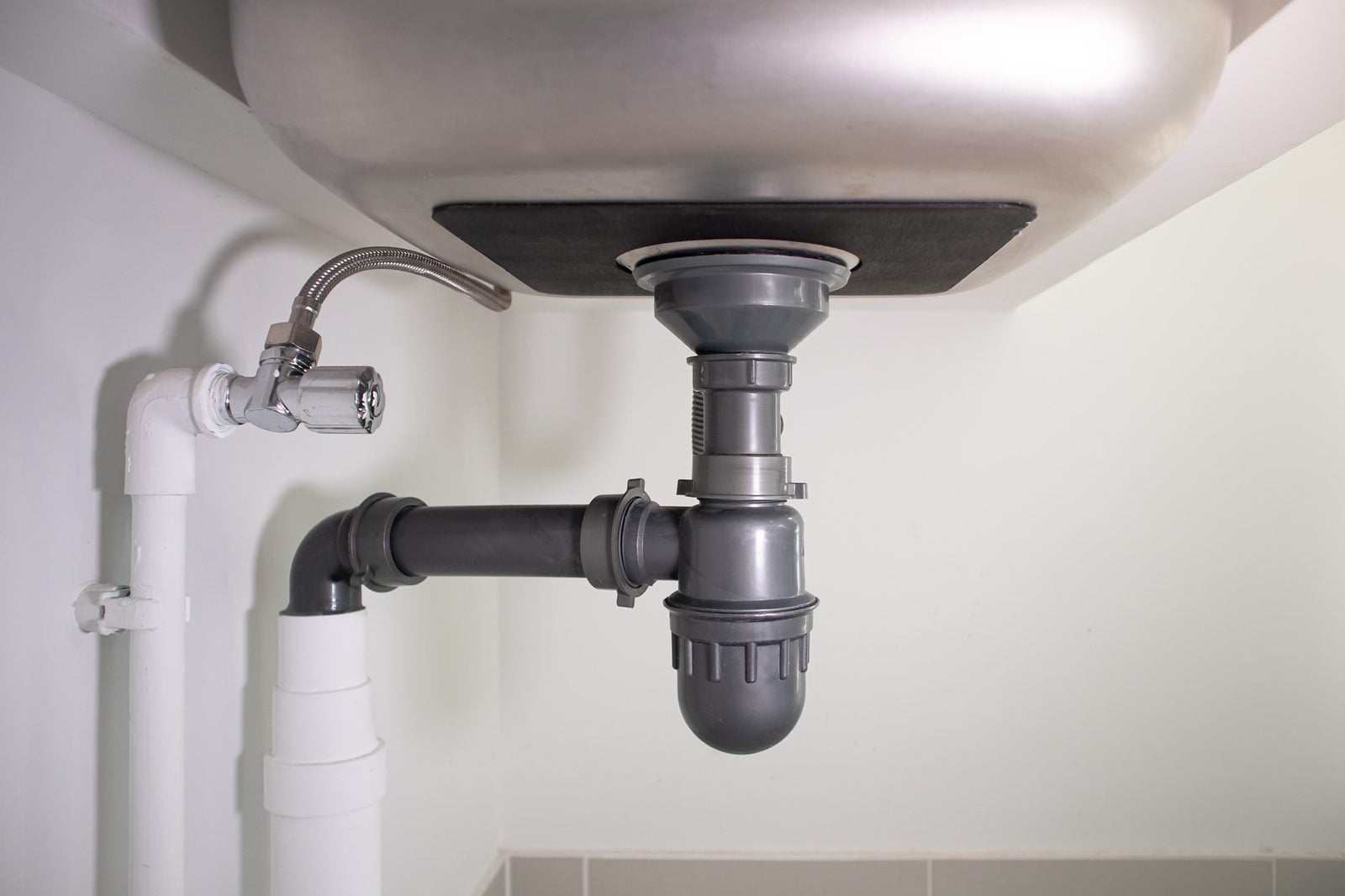
- Most single-fixture clogs are hair, soap, grease or food sitting within a few feet of the drain.
- A plunger, a plastic drain stick and a basic hand snake clear many clogs without chemicals.
- Two or more drains backing up at the same time usually points to the main sewer line, not one fixture.
- Denver Water calls its southern system's water moderately hard and its northern system's water somewhat soft, so mineral buildup in drains varies by address.
- Colorado plumbers can be checked in DORA's online license lookup before you hire.
What to do first
- Stop running water into the clogged fixture so it does not overflow.
- If you already poured a chemical drain cleaner, do not plunge or snake the drain. Wear gloves and eye protection, and call for help.
- Turn off the power to a garbage disposal at the switch before you put anything into the sink drain.
- If water or sewage is coming up from a floor drain or the lowest drain in the house, stop using every fixture and call to be connected with a local plumber.
How to unclog a drain: where should you start?
Start by figuring out how big the problem is. If only one sink, tub or shower is slow, the clog is almost always in that fixture's drain or trap. If the toilet gurgles when the sink drains, or the tub fills when you flush, the blockage is likely farther down the line.
Then work from the gentlest fix to the most hands-on one:
- Remove what you can see. Pull the stopper or drain cover and clear out hair.
- Flush with very hot water. Use hot, not boiling, water. Boiling water can soften plastic pipes and crack porcelain.
- Plunge with a cup plunger.
- Clean the trap under the sink.
- Snake it with a hand auger.
If none of that works, stop. Pushing harder with stronger tools or chemicals is how a clog turns into a broken pipe or a burn.
How do you plunge a sink or tub drain the right way?
Plunging works when the plunger can build pressure, so the seal matters more than strength. Use a flat cup plunger for sinks, tubs and showers, and save the flanged plunger for toilets.
- Leave about two inches of water in the basin so the cup is covered.
- Block the overflow hole with a wet rag, and plug the other side of a double sink.
- Pump firmly 15 to 20 times without breaking the seal, then pull up sharply.
Repeat a few rounds. If the water level does not change at all, the clog may be packed hard or deeper than a plunger can reach.
How do you clean a P-trap under the sink?
Cleaning the P-trap, the curved pipe under the sink, clears a large share of sink clogs and needs no special tools on most plastic drains.
- Put a bucket under the trap and wear gloves.
- Loosen the slip nuts on each end. Plastic nuts usually turn by hand; metal ones may need pliers.
- Lower the trap and empty the water and debris into the bucket.
- Brush it clean, put it back with the washers flat, and hand-tighten the nuts. Run water and check for drips.
Older metal traps can be thin and corroded. If the pipe cracks or will not come apart, stop and call. Forcing it can break the pipe inside the wall.
Need help now? Call to be connected with a local provider in Denver who can check availability for your address.
When should you use a drain snake, and how?
Use a drain snake (hand auger) when plunging and cleaning the trap do not work, because the clog is past the trap. A plastic barbed drain stick is a good first try for hair in bathroom sinks and showers.
Feed the cable in until you feel resistance, lock it, and turn the handle so the tip bites into the clog. Pull back slowly, clean the cable, and repeat, then run hot water.
Go slowly and wear gloves and eye protection. A spinning cable can scratch porcelain, kink in the pipe or whip back if it binds. Powered drum machines can cause real injury and pipe damage, so that is a good place to stop and call.
Do baking soda, vinegar and chemical drain cleaners really work?
Baking soda and vinegar can freshen a slow drain, but they rarely clear a real clog. The fizz is a reaction between the two, not something that dissolves packed hair or grease.
Chemical drain cleaners are a different story. Many contain strong lye or acid that can burn skin and eyes, and repeated use can damage older metal pipes and septic systems. If the clog does not move, the chemical sits in the pipe, which makes it unsafe to plunge, snake or open the trap.
- Myth: More cleaner works better. Fact: It adds caustic liquid to a drain someone will have to open later.
- Myth: Mixing two cleaners speeds things up. Fact: Mixing products can release toxic gas. Never combine them.
- Myth: Enzyme cleaners clear clogs fast. Fact: They are slow and better for upkeep.
How do you unclog a kitchen sink with a garbage disposal?
Turn off the disposal at the wall switch before you work on a kitchen sink, and never put your hand inside it.
- If the disposal hums but does not spin, it is jammed. Many units have a hex socket on the bottom you can turn with the included wrench to free the blades. Then press the reset button.
- Plunge the disposal side while the other side of a double sink is plugged.
- Check the trap and the drain line under the sink, where grease often settles.
Grease is the main kitchen clog. Wipe greasy pans with a paper towel and throw it in the trash. Keep coffee grounds, rice and pasta out of the sink, and use a hair catcher in showers. If the same drain clogs again and again, a professional drain cleaning can find out why.
When is a clogged drain a sign of a sewer line problem?
A clog is likely in the main sewer line when more than one fixture is affected, especially on the lowest floor. Signs include water coming up in a basement floor drain when a toilet flushes or the washer drains, gurgling from drains in other rooms, a sewage smell, and every drain slowing down over a few days.
Do not fix this with a plunger or chemicals. Stop using water and keep people and pets away from any sewage. Opening a sewer cleanout cap on a backed-up line can release a rush of wastewater and sewer gas, so leave that to a professional. Our guide on telling a clogged drain from a sewer line problem covers more signs.
What happens during the visit when you call a plumber about a clog?
When you call, you are connected with a local plumber who comes out to look at the problem. The visit usually goes in three steps:
- Inspection. The plumber asks which drains are slow, what you have already tried, and whether you used any chemicals. They may run water at several fixtures, and for main-line problems they may suggest a camera inspection to see inside the pipe.
- Options explained. You hear what is causing the clog and the choices, such as cleaning the fixture drain, clearing the main line, or repairing a damaged section of pipe.
- Written quote before work. You get the price in writing before any work starts, so you can decide without pressure.
Have the location of your main water shutoff and any cleanout handy, and keep pets out of the work area.
Unclogging drains in Denver, Aurora and nearby suburbs
Water in the Denver area is not the same everywhere, and that affects mineral buildup inside drains. Denver Water says its southern collection system's water is considered moderately hard, its northern system's water is considered somewhat soft, and the water is slightly harder in winter. Aurora Water lists hardness at an average of 136 ppm, with a range of 87 to 198 ppm. Mineral scale can trap soap and hair, so homes in Aurora, Littleton or Englewood may see slow drains build up sooner.
Know who is responsible for which pipes. Denver Water says property owners are responsible for the service lines and meter pits at their address, and that it is not responsible for water damage caused by a property's service line or internal plumbing. A backed-up drain inside the home is the owner's to handle.
Cold weather adds another reason to deal with slow drains early. NWS Boulder lists Denver's average first freeze as October 7th, and Denver Water recommends insulating pipes along exterior walls and in unheated basements. Basement drains and laundry lines in Lakewood, Arvada and Wheat Ridge homes are worth checking before winter.
If a drain backup damages your home, the Colorado Division of Insurance names sewer backup coverage as additional coverage a homeowner may need to buy, so check your policy and document everything. Before you hire anyone, you can check a plumber in DORA's online license lookup.
Related pages
Questions people ask
What is the easiest way to figure out how to unclog a drain without calling anyone?
Start with hot water, then a plunger, then cleaning the trap under the sink. Those three steps clear most single-fixture clogs in a Denver home. If none of them work, a hand snake is the next step, and after that it is time to call.
Why is my bathroom sink draining so slowly even though nothing is stuck in it?
A slow bathroom sink is usually hair and soap stuck on the stopper or in the trap. Pull the stopper out and clean it, then try a plastic drain stick or clean the P-trap.
How do I get hair out of a shower drain?
Remove the drain cover and pull the hair out with gloved fingers, a plastic barbed drain stick or a bent wire. Run hot water afterward, and add a hair catcher to keep it from happening again.
Does baking soda and vinegar actually unclog drains or is that a myth?
It is mostly a myth for real clogs. Baking soda and vinegar can freshen a slow drain, but they do not break down packed hair or grease. Hot water and a plunger usually do more.
What should I do if I poured Drano down the drain and it is still clogged?
Do not plunge, snake or open the trap, because the chemical is still sitting in the pipe. Keep children and pets away, wear gloves and eye protection near the sink, and call for help. Tell the plumber which product you used.
Can I mix two different drain cleaners if the first one did not work?
No. Mixing drain cleaners, or mixing a drain cleaner with bleach or ammonia, can release toxic gas or cause a violent reaction. Never combine products.
How do I plunge a double kitchen sink that keeps backing up into the other side?
Plug the drain on the side you are not plunging with a stopper or a wet rag. Then plunge the clogged side with a cup plunger. Without that seal, the pressure just pushes water into the other basin.
Why does my basement floor drain back up when I do laundry?
Water coming up from a basement floor drain while the washer drains usually means a blockage in the main sewer line. Stop using water in the house and call to be connected with a local plumber.
Is sewer gas from a backed-up drain dangerous?
Sewer gas can be harmful in high amounts and the backed-up water can carry germs. Air out the area, keep people and pets away from sewage, and leave sewer cleanouts to a professional.
Is it OK to open the sewer cleanout cap myself when my drains are backed up?
It is not a good idea. A backed-up line is under pressure, and opening the cap can release a rush of sewage and sewer gas. Let a plumber open and clear it.
Does hard water in Denver cause drains to clog?
It can add to clogs. Denver Water says its southern system's water is moderately hard and its northern system's is somewhat soft, and mineral scale can catch soap and hair inside drains over time.
How often should I clean my drains to prevent clogs?
Cleaning sink stoppers and shower drain covers once a month and flushing with hot water helps most homes. A drain that clogs again and again needs a closer look.
Who is responsible for a clogged drain in a Denver rental?
It depends on the lease and the cause, so tell your landlord or property manager right away and in writing. Do not pour chemicals into a shared or rental drain before they respond.
Will homeowners insurance pay if a drain backup floods my basement in Colorado?
It depends on your policy. The Colorado Division of Insurance names sewer backup coverage as additional coverage a homeowner may need to buy, so check your policy and document all damage.
When should I stop trying to unclog a drain myself and call a plumber?
Stop when a plunger, a clean trap and a hand snake have not worked, when more than one drain is backed up, or when you see sewage. Also stop if you have already used a chemical cleaner.
How do I find a plumber in Aurora or Lakewood to clear a clogged drain?
Call the number on this page to be connected with a local plumber serving Aurora, Lakewood and the rest of the Denver metro. You can also check any plumber in DORA's online license lookup.
Talk to someone about your plumbing problem
Call to be connected with a local provider who can check availability for your address and explain the next step.