Proving the leak is outside
The house side is isolated at the main shutoff and the meter is watched. If the meter still moves with the house closed off, the water is being lost between the curb stop and the foundation wall, not in your basement.
The buried line that brings water from the street into your house can leak, corrode shut or freeze without a drop ever showing indoors. Denver Urgent Plumber locates the fault in that line, explains what the pipe is doing and prices the repair before anything is dug.
Denver's older neighborhoods are where most of these calls come from. Brick bungalows and Denver Squares in Capitol Hill, Baker, Highlands and Park Hill were plumbed with galvanized steel, and galvanized service lines rust from the inside until the opening left for water is a fraction of what the pipe was built for. The 1950s and 1960s brick ranches out in Lakewood, Wheat Ridge and Englewood are on the same material. Add the expansive clay soil along the Front Range, which swells when it is wet and shrinks when it dries, and a line that has been shifting under the yard for decades finally opens up at a joint.
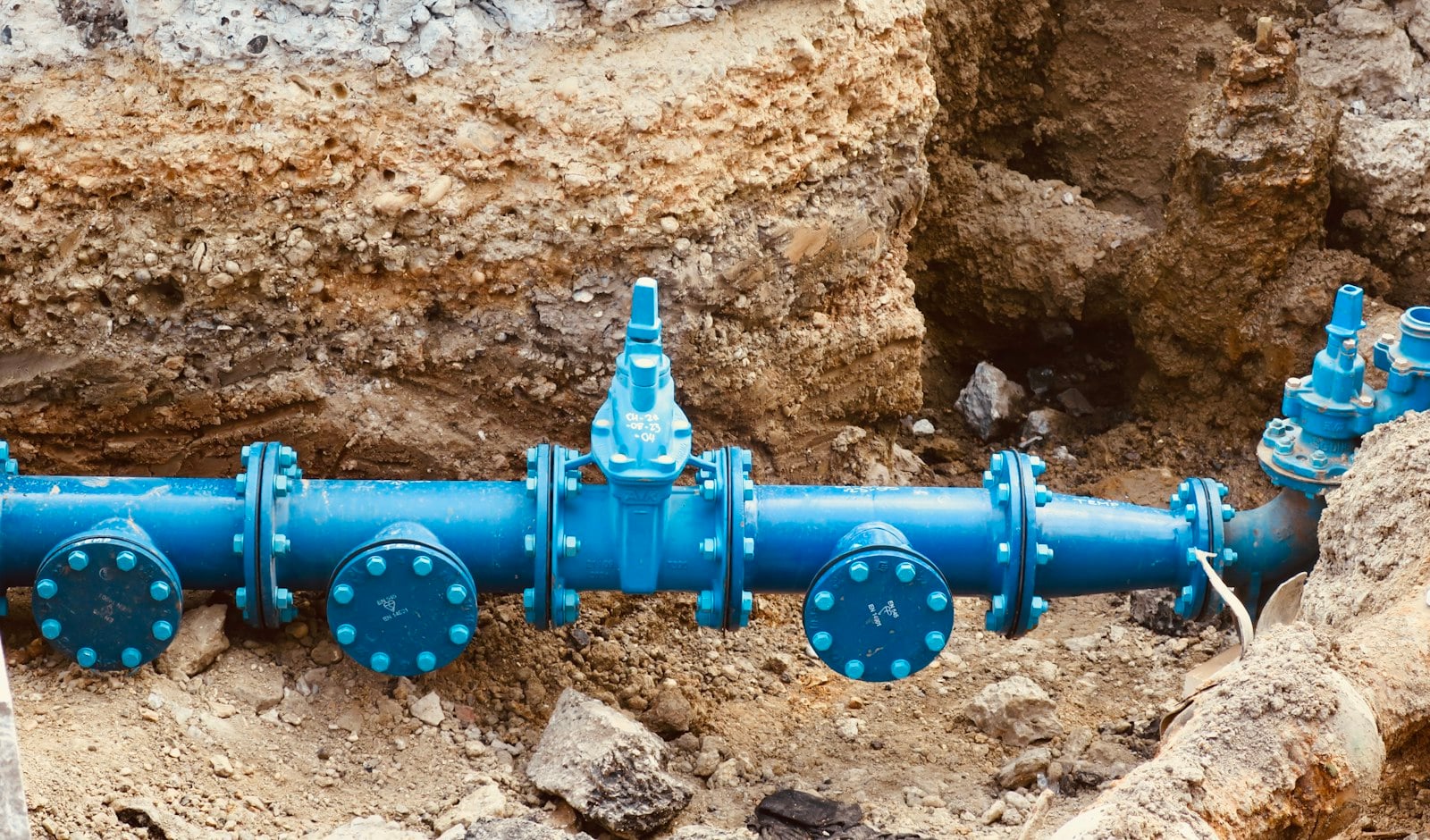
Before any ground is opened, the water loss has to be proven to be outside the house. That is the part homeowners rarely get, and it is where Denver Urgent Plumber starts.
The house side is isolated at the main shutoff and the meter is watched. If the meter still moves with the house closed off, the water is being lost between the curb stop and the foundation wall, not in your basement.
The route of the service line is traced across the yard and the leak is narrowed down with pressure testing and listening equipment, so the excavation is a targeted hole rather than a trench the length of the lawn.
A single break in otherwise sound pipe can be cut out and repaired. A corroded galvanized line that is closing up along its whole length is a replacement, and you should see the reasoning for either answer before you approve it.
Replacing a service line is done one of two ways. An open-cut trench follows the pipe across the yard and is the straightforward choice when the run is short and the ground is clear. A trenchless pull uses a pit at each end and draws new pipe along the old path, which usually means less damage to a driveway, a mature tree or a finished front walk. Frozen ground and snow cover change what is practical in midwinter, so ask which method the quote is based on and what the yard, sidewalk and sprinkler lines will look like afterward. The quote should also say where your responsibility ends and the utility's begins at the curb stop, and whether a permit is needed.
If the water loss turns out to be inside the walls instead, leak detection is the right next step, and a line that split in a cold snap is handled as burst pipe repair. Homes that lose pressure and hot water together should also read the repair versus replacement comparison before deciding anything about the tank.
Galvanized service lines turn up constantly in Arvada and across the rest of our service areas. Tell us what your meter is doing and we will plan the visit.
Close the main shutoff where the line enters through the foundation wall, then look at the meter. If the meter keeps moving with the house isolated, water is escaping outside on the buried service line. If it stops, the loss is indoors. Denver Urgent Plumber runs that test first so nobody digs a yard for a leak that was under a sink. Leak detection covers the indoor side.
In most houses here it is in the basement or crawl space, on the pipe where it comes through the front foundation wall, usually near the meter. There is also a curb stop out at the street that the utility controls. Find your indoor valve now, while nothing is wrong, and check that it actually turns. Our burst pipe guide walks through the rest.
It can, though it is far less common than a pipe freezing inside an exterior wall or a crawl space. Shallow sections, ground that has been disturbed and stretches under a plowed driveway with no snow cover on them are the vulnerable spots during a long Arctic cold snap. Losing all water while the indoor pipes stay warm is the usual clue.
Galvanized piping is the common answer in pre-1960s homes. Corrosion builds up inside the pipe and narrows it until two fixtures cannot run at once. A pressure-reducing valve that has failed will do the same thing, and so will a partly closed shutoff, so all three get checked before anyone recommends a new service line. Tell us what changed and when.
Tell us what the water is doing right now and we will plan the visit around it.