Clearing enough to inspect
A root mass or blockage is cut back first so the camera can reach the length of the lateral and show the real condition of the pipe.
When every drain in the house slows down together, the problem is usually out in the yard. Denver Urgent Plumber camera-inspects the sewer lateral, shows you the footage and explains what the line actually needs.
Denver has a lot of older sewer laterals. Homes built before the 1970s in neighborhoods such as Baker, Park Hill and the older parts of Englewood and Wheat Ridge often run clay or cast iron out to the street, and the joints in clay pipe are exactly what cottonwood, silver maple and elm roots look for. Ground movement in expansive clay soil adds offsets and bellies that catch waste and start the cycle over.
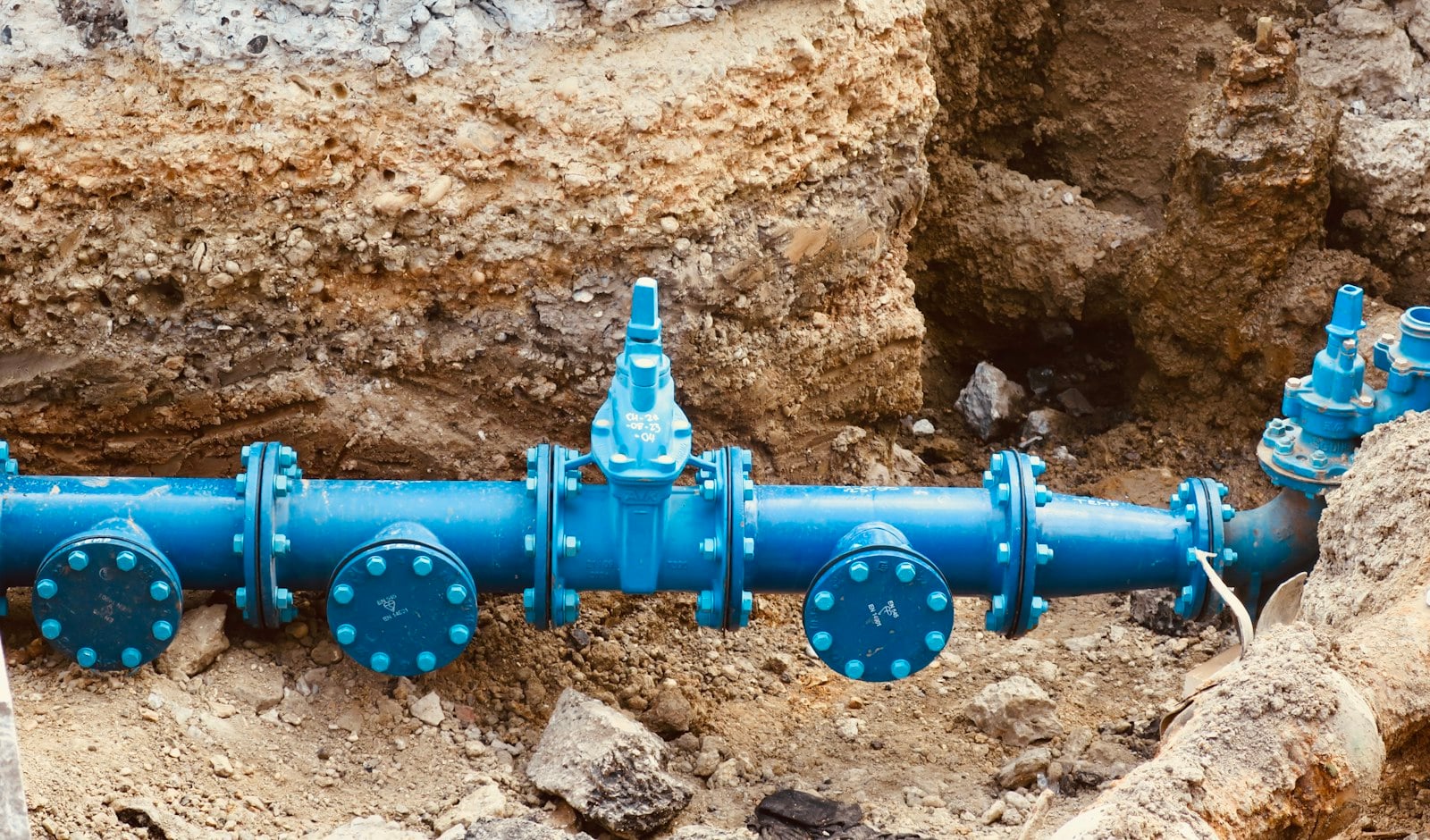
A sewer diagnosis should end with you seeing the pipe, not just hearing a conclusion. Denver Urgent Plumber clears the line enough to get a camera through it and then reviews the footage with you.
A root mass or blockage is cut back first so the camera can reach the length of the lateral and show the real condition of the pipe.
The footage shows roots, cracks, offsets, bellies and collapses, and the locator marks how deep and how far out the trouble spot sits in the yard.
A short damaged section can often be dug and replaced on its own. A line that is failing along its length is a different conversation, and you should see the evidence for either.
Any excavation needs a plan for the driveway, sidewalk, sprinkler lines and landscaping. Ask for that to be part of the quote rather than a surprise.
Ask for a copy of the camera footage and the locate marks. If a section has to be replaced, the quote should say how deep the line runs, how far it extends toward the street and where responsibility passes to the utility.
If only one fixture is slow, you probably want drain cleaning instead, and our guide on clogged drains versus sewer lines explains how to tell. A backup that has already put water on the floor may also call for a check for related damage, and the repair versus replacement guide shows the kind of comparison to ask for.
Older laterals are common in Littleton and the rest of our service areas.
It shows the inside of the lateral: root intrusion at joints, cracks, offsets where sections have shifted, low spots that hold water and any collapse. It also locates the problem so digging is targeted. Denver Urgent Plumber reviews the footage with you rather than describing it secondhand. Ask about an inspection.
Often yes, at least for a while. Cutting roots restores flow, but they come back to the same joint because that is where the water is. The footage tells you whether the pipe is otherwise sound or whether the root damage has already broken it.
Stop running water anywhere in the house, including the washing machine and dishwasher, and keep people and pets out of the affected area. Wear gloves and do not try to plunge a main line backup. Call for help; Denver Urgent Plumber takes these around the clock, and the process page covers what happens on arrival.
The lateral from the house to the connection point is normally the property owner and the public main belongs to the utility, but where that line falls varies by jurisdiction in the metro. The locate tells you how far the private section runs, and you should confirm the boundary with your local utility before approving excavation.
Tell us what the water is doing right now and we will plan the visit around it.