What to Do When a Pipe Bursts
Denver Urgent Plumber walks Denver homeowners through the first ten minutes of a burst pipe: what to shut off, what to leave alone and what to tell the plumber.
- 24/7 Emergency Service
- Upfront Quotes
- Same-Day Availability
By the Denver Urgent Plumber team · Updated September 2026
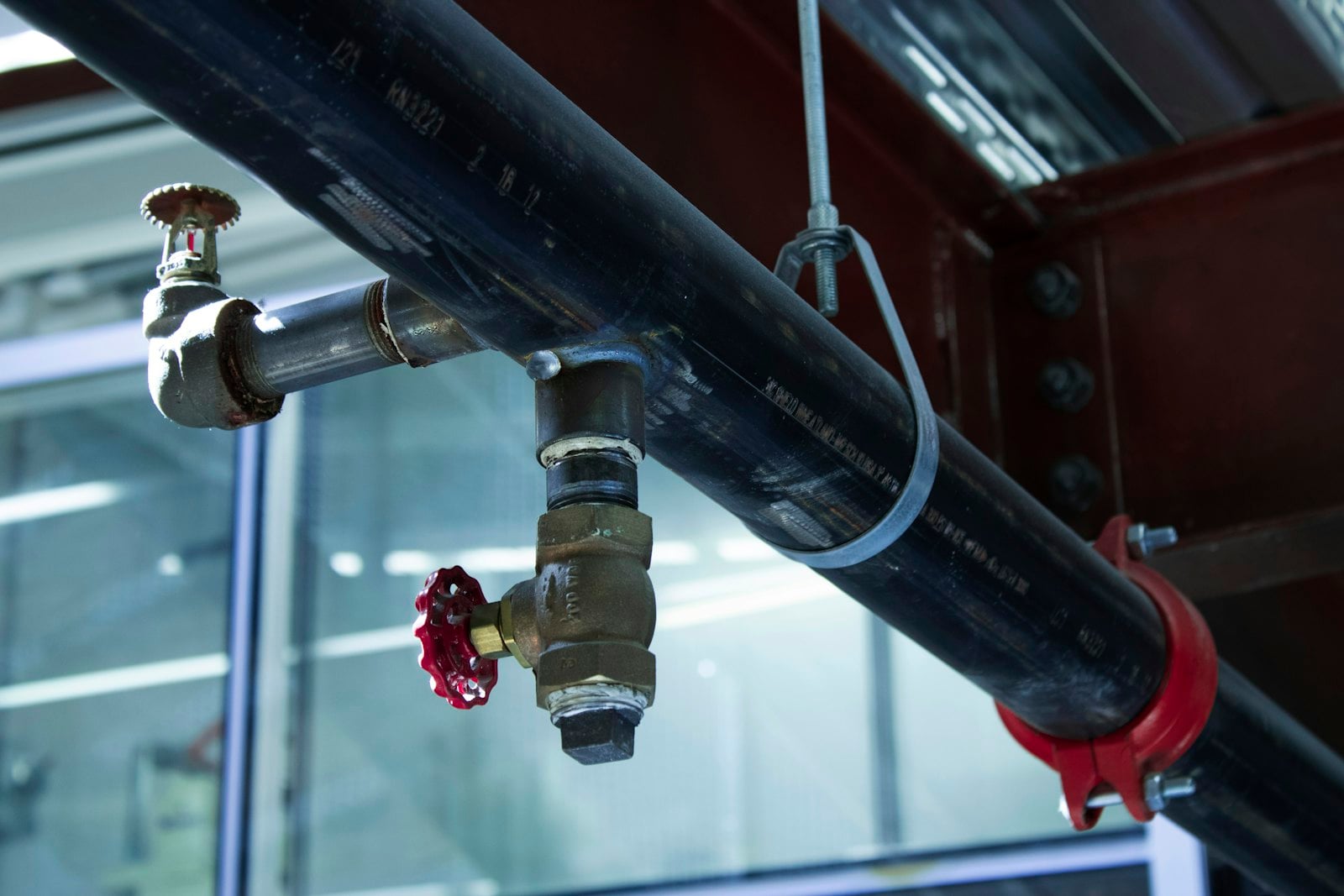
Stop the Water Before Anything Else
Everything else can wait. Go to the main shutoff and close it. In most Denver homes that valve is in the basement or the crawl space, on the wall where the supply line comes in through the front foundation, usually within a few feet of the meter. Turn it clockwise until it stops. If it is a lever, turn it a quarter turn so it sits across the pipe rather than along it. If the valve is seized and will not move, do not force it hard enough to snap it; call for help and say on the phone that you could not close the main. There is also a curb stop out at the street under a small metal lid, but that one is normally operated by the utility, not by homeowners with a screwdriver.
Drain the Pressure Out of the System
Once the main is closed, open the lowest faucet in the house, which is usually a basement sink or a laundry tub, and then open a couple of upstairs taps. That lets the water still sitting in the pipes run out at a controlled point instead of through the split. Flush a toilet once to empty the tank. Within a minute or two the flow at the break should slow to a trickle. This step is what turns a flood into a puddle, and it costs nothing.
Keep Away From Water and Electricity
A wet basement is not a safe place to walk around in. If water has reached outlets, cords, the electrical panel, the furnace or the water heater, stay out of it. Do not stand in water to reach a breaker. If the only way to shut off power is from inside the wet area, leave it and tell the plumber and, if necessary, an electrician. With a gas water heater, turning the gas control to the off position protects the unit if you can reach it without walking through water. If you cannot get to it safely, leave it alone.
Why Denver Pipes Split in the First Place
Two causes dominate here. The first is freezing. Water expands as it turns to ice, and the pressure it creates downstream of the ice plug is what splits the pipe. The lines most at risk run through exterior walls, unheated crawl spaces, attached garages and outside spigots, which is why an Arctic cold snap like the one that pushed temperatures far below zero across the Front Range in December 2022 produces a wave of calls. The cruel part is the timing: the split often stays dry while the ice holds, and the flood arrives on the thaw. The second cause is age. A great many pre-1950s brick bungalows and Denver Squares still have galvanized supply lines, and galvanized pipe corrodes from the inside out until a seam simply gives up.
What to Write Down for the Plumber
A short list saves real time on arrival. Note where the water appeared and roughly when. Note which fixtures still work and whether the pressure dropped everywhere or in one place. Note whether the weather had been below freezing and whether anything had been left running or the house had been empty. If a faucet had gone to a trickle in the cold and then came back, that is an important detail, because it usually identifies the run that froze. Photographs of the wet area, taken from a safe distance, are useful later as well.
What Not to Do While You Wait
Do not aim a torch or an open flame at a frozen pipe. Do not turn the water back on to see whether it is still leaking; if the line split, it will be, and you will simply add to the damage. Do not cut into drywall to hunt for the break, because water travels along joists and the wet spot is rarely under the failure. Do not run a shop vacuum or an extension cord in a room where water has reached an outlet. And do not assume a small drip is the whole story, since a pipe that froze in one place usually got cold along its whole run.
Denver Homes and Where the Damage Lands
Because most homes here have a basement or crawl space, water from a burst pipe ends up in the room with the furnace, the water heater and the laundry. That makes the damage more expensive than the pipe, and it is why shutting the main quickly matters so much. It also means a finished basement can hide a slow split for days behind drywall and carpet pad. If you have a sump pit, check that the pump is actually running, because it may be the only thing moving water away from the slab while you wait.
Arrange an Inspection
Once the water is off, the next step is finding the failure and repairing it properly. Denver Urgent Plumber covers burst pipe repair across the metro, and leak detection if you are not certain where the water is coming from. Homeowners in Wheat Ridge and other older-housing areas often find the freeze happened in a crawl space run. Read how a service call works, then tell us what happened and we will plan the visit around what is still wet.