Emergency Plumber in Denver for Frozen Pipes
If you need an emergency plumber in Denver because a pipe froze, start by finding your main shutoff valve and turning the water off. Then open a faucet and warm the pipe slowly. Call to be connected with a local provider who can check for cracks and explain your options.
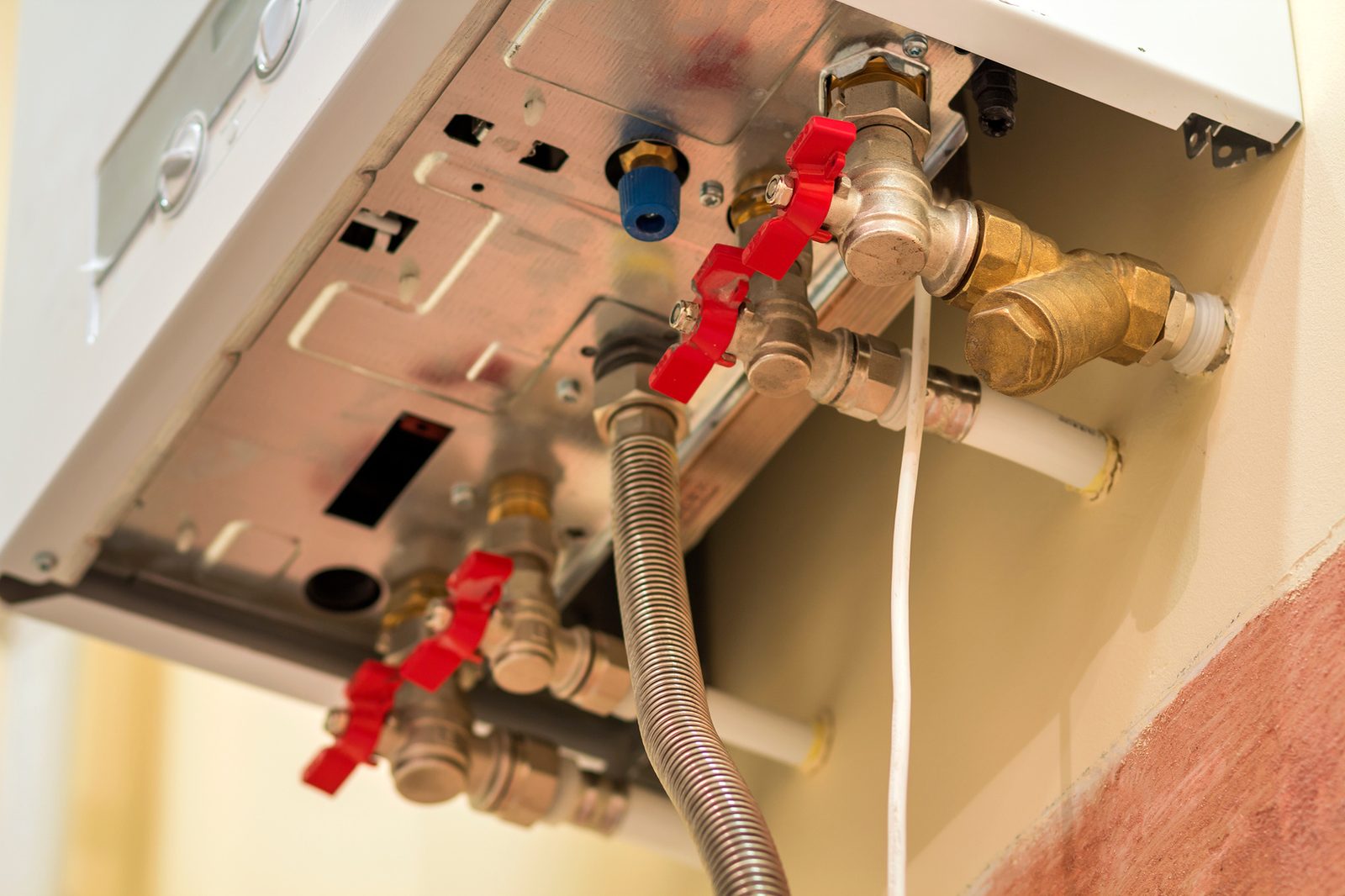
- NWS Boulder lists Denver's average first freeze as October 7th, so frozen pipe calls can start early in the fall.
- Denver Water says the main shutoff valve in most single-family homes is in the basement or crawl space, on a wall facing the street.
- Denver Water says a hair dryer is fine for thawing a pipe, but "A blow torch is not."
- Pipes along exterior walls and in unheated basements are the ones Denver Water suggests insulating.
- Property owners in the Denver Water area are responsible for their own service line and internal plumbing.
What to do first
- Find the main shutoff valve and turn the water off, or test that it works, before you thaw anything.
- Open the faucet the frozen pipe feeds so melting water and steam have somewhere to go.
- Warm the pipe slowly with a hair dryer or warm towels, starting near the faucet and working back.
- Never use a blowtorch, open flame or propane heater on a pipe.
- If you see a crack, a bulge or water spraying, keep the water off and call to be connected with a local plumber.
- Take photos of any wet floors, walls or cabinets before you clean up.
When do you need an emergency plumber in Denver for frozen pipes?
Call for help when a frozen pipe will not thaw, when you cannot find or turn your shutoff valve, or when you see a crack, bulge or leak. A frozen pipe with no water flow is urgent, because ice expands and can split the pipe as it thaws. A plumber can find the frozen spot and check for damage.
Some cases are less urgent. If only one faucet is slow and the pipe is easy to reach, you may be able to thaw it gently yourself. If water is already on the floor, treat it as a burst pipe and keep the main water off until the pipe is checked.
Why do pipes freeze in Denver homes in the fall?
Pipes freeze when cold air reaches water that is not moving. In Denver, that can happen early. The first hard cold snap often catches homes before people have insulated pipes, closed crawl space vents or shut off outdoor faucets. Pipes near outside walls, garages and unheated basements are most at risk.
Common weak spots include:
- Hose bibs and the short pipe just inside the wall behind them
- Supply lines under kitchen and bathroom sinks on outside walls
- Pipes in unheated basements, crawl spaces and garages
- Lines in rooms that are closed off or kept cool
- Plumbing in vacant homes or rentals where the heat was turned down
How can you tell if a pipe is frozen or already burst?
A frozen pipe usually shows up as no water, or only a trickle, from one or more faucets on a cold morning. A burst pipe shows up as water where it should not be: a wet ceiling, a puddle, a hissing sound or a sudden jump in your water use. Sometimes a pipe cracks while frozen and only leaks once it thaws.
Look for these signs:
- Frost or ice on an exposed pipe
- A bulge or split in the pipe wall
- Stains or damp spots on drywall near plumbing
If you cannot see a pipe but suspect a hidden leak, leak detection can help find it without opening every wall.
Need help now? Call to be connected with a local provider in Denver who can check availability for your address.
Can you thaw a frozen pipe yourself safely?
Yes, often you can, if the pipe is easy to reach and shows no cracks. Shut off the water or test the shutoff valve first, open the faucet, and warm the pipe slowly with a hair dryer, a heating pad or warm towels. Denver Water says a hair dryer is appropriate, but a blowtorch is not.
A few safety points matter:
- Keep electric heat sources away from standing water.
- Do not leave a space heater running unattended near a pipe.
- Stop if the pipe is inside a wall or ceiling you cannot reach.
- Stop if water starts to leak as the ice melts. Turn the main water off and call.
What happens during the visit?
The provider starts with an inspection. They find the frozen section, check the pipe for cracks, and look at nearby lines that may also be at risk. They should explain what they found in plain words, describe your options, and give you a written quote before any work begins.
Options might include:
- Thawing the line with safe, controlled heat
- Replacing a short cracked section of pipe
- Repairing or replacing a damaged hose bib or valve
- Adding insulation or rerouting a line that keeps freezing
Ask questions before you agree to anything. The how it works page explains how calls are connected.
How do you prevent frozen pipes before a Denver cold snap?
The simplest steps are to keep warm air around your pipes, keep a little water moving, and shut off outdoor faucets. Denver Water suggests insulating pipes along exterior walls and in unheated basements, and letting a very slow drip run from the faucet farthest from where water enters the house.
- Disconnect garden hoses and drain outdoor faucets.
- Open sink cabinet doors on outside walls during very cold nights.
- Close garage doors when it is freezing outside.
- Seal drafts near pipes in basements and crawl spaces.
- Know where your main shutoff valve is, and test that it turns.
- If you will be away for several days in a deep freeze, Denver Water advises keeping the thermostat above 65 degrees.
What should you do about sprinklers and outdoor lines in the fall?
Shut off and drain your irrigation system and outdoor faucets before the first hard freeze. Water left in sprinkler lines, backflow devices and hose bibs can freeze and crack them. Many Denver homeowners schedule a sprinkler blowout in early fall, but a surprise cold night can arrive first.
If a hose bib was left on and froze, the crack is often inside the wall where you cannot see it. Watch for a leak the first time you turn it on in spring. Sprinkler and outdoor water damage can also be handled differently by insurance than an indoor pipe break, so it helps to read your policy.
Will insurance pay for damage from a frozen or burst pipe?
It depends on your policy. The Colorado Division of Insurance says burst pipes and the water damage they cause generally are covered under homeowners and renters policies, but every policy is different. Many policies treat sudden damage differently from gradual leaks, so check your policy and document everything.
- Take photos and video of the damage before cleanup.
- Take reasonable steps to stop more damage, like shutting off the water.
- Contact your insurer as soon as you can and ask for their instructions before repairs.
- Keep receipts for emergency work and any temporary housing.
Frozen pipe season around Denver and nearby suburbs
Cold weather comes early on the Front Range. NWS Boulder lists Denver's average first freeze as October 7th and its average last freeze as May 5th, so frozen pipe risk can last more than half the year. The earliest first fall freeze on record was 9/8/2020. Denver's average date of first measurable snowfall is October 19th.
Denver Water says that in most single-family homes, the main shutoff valve is in the basement or crawl space, on a wall facing the street. It also says property owners are responsible for the service lines and meter pits at their address, and that it is not responsible for water damage caused by a property's service line or internal plumbing. Aurora and other suburbs with their own water utilities may have different rules, so check with your utility.
Calls for frozen pipes come from across the metro, including Lakewood, Aurora, Littleton, Englewood, Wheat Ridge and Arvada.
Related pages
Questions people ask
How do I find an emergency plumber in Denver for a frozen pipe?
Call the number on this page to be connected with a local plumber in the Denver area. Have your address ready and describe what you see, such as no water, frost on a pipe or an active leak.
How do I know if my pipes are frozen?
The most common sign is no water, or only a trickle, from a faucet on a cold day. You may also see frost on an exposed pipe or notice that only one part of the house has lost water.
Should I turn off my water if a pipe is frozen?
Yes, it is a smart first step. Denver Water says to shut off the water or test the shutoff valve before thawing a frozen pipe, so a crack does not turn into a flood when the ice melts.
Where is the main water shutoff valve in a Denver house?
In most single-family homes in the Denver Water area, it is in the basement or crawl space, on a wall facing the street. Find it and test it before winter so you are not searching during an emergency.
Can I use a hair dryer to thaw a frozen pipe?
Yes. Denver Water says a hair dryer is appropriate for thawing a pipe. Keep it moving, start near the open faucet, and keep the cord and dryer away from any water.
Is it safe to use a torch to thaw frozen pipes?
No. Denver Water says plainly that a blowtorch is not an acceptable way to thaw a pipe. Open flames can damage the pipe and start a fire inside walls.
Should I let my faucets drip at night in Denver?
On very cold nights, a slow drip can help. Denver Water says a very slow drip keeps water moving and lowers the chance of frozen pipes, and suggests starting with the faucet farthest from where water enters the house.
What temperature should I keep my house at when I leave during a freeze?
Denver Water advises keeping the thermostat above 65 degrees when you will be away for several days in a deep freeze. Turning the heat way down to save energy can leave pipes exposed.
When does freezing weather usually start in Denver?
NWS Boulder lists Denver's average first freeze as October 7th. The earliest first fall freeze on record was September 8th, so it is worth preparing pipes by early fall.
Do I need to shut off my outdoor faucets and sprinklers before winter?
Yes. Disconnect hoses, shut off and drain outdoor faucets, and drain your irrigation system before the first hard freeze. Water left in those lines can freeze and crack them.
Who is responsible if the water line to my Denver house freezes?
In the Denver Water service area, the property owner is responsible for the service line and meter pit at their address. Denver Water handles the water mains, so call a plumber for problems on your side.
Does homeowners insurance cover a frozen pipe that burst?
It often does, but it depends on your policy. The Colorado Division of Insurance says burst pipes and the water damage they cause generally are covered, so check your policy and document everything.
Is sprinkler line damage covered by insurance in Colorado?
Often not. The Colorado Division of Insurance says flooding from broken outdoor sprinklers or irrigation systems is typically excluded, so check with your insurer about your specific policy.
What if a burst pipe makes my home unlivable?
You may be able to claim Additional Living Expenses. The Colorado Division of Insurance says ALE could cover a hotel or other temporary housing if burst-pipe damage makes a home uninhabitable, and advises keeping receipts.
How can I check a plumber's license in Colorado?
Use DORA's online license lookup, called Verify a Colorado Professional or Business License, which lists Plumbers as a profession. Plumbing contractors must also display their registration and master plumber license numbers on vehicles, bids and websites.
What should I do if water is coming through my ceiling after a freeze?
Turn off the main water right away, then turn off power to any wet area if you can do so safely. Move belongings, take photos and call to be connected with a local plumber.
Talk to someone about your plumbing problem
Call to be connected with a local provider who can check availability for your address and explain the next step.