Need a Plumber in Denver, CO? Start Here
If you are looking for a plumber Denver CO homeowners can reach quickly, start by naming the problem: a leak, a clog, no hot water or a sewer smell. Turn off the water if anything is leaking. Then call to be connected with a local provider who can explain your options.
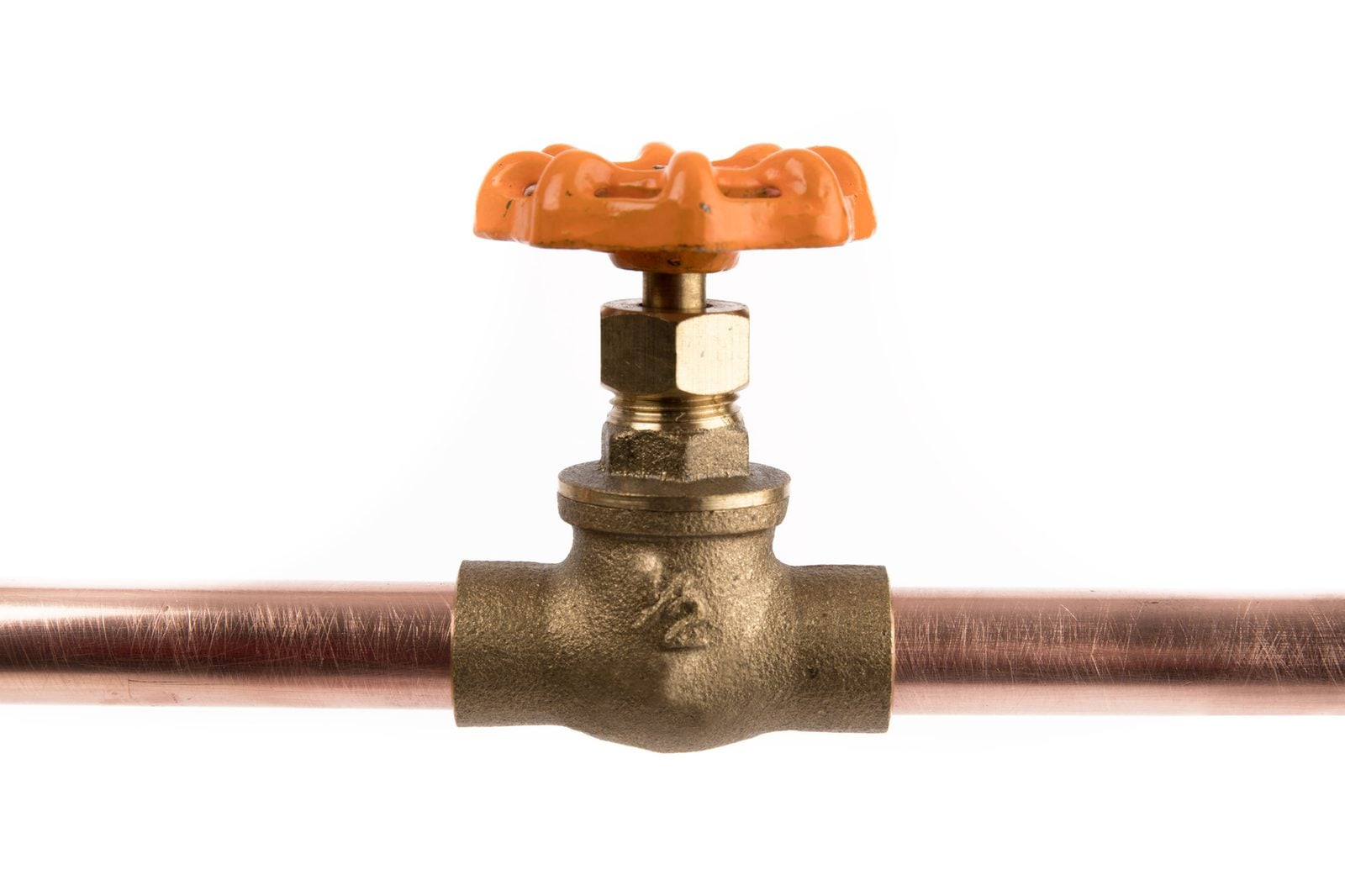
- Denver Water says the main shutoff valve in most single-family homes is in the basement or crawl space, on a wall facing the street.
- Property owners in the Denver Water area are responsible for the service lines and meter pits at their address.
- Denver Water's southern system water is considered moderately hard, and its northern system water is considered somewhat soft.
- Colorado plumbers can be checked in DORA's online license lookup.
- NWS Boulder lists Denver's average first freeze as October 7th.
What to do first
- If water is leaking, turn off the main shutoff valve or the small valve under the fixture.
- Turn off power to any outlets or appliances near standing water if you can do it safely.
- If you smell gas near a water heater, leave the house and call your gas utility from outside.
- Stop using drains that are backing up until the line is checked.
- Take photos of any water damage before you clean up.
When should you call a plumber in Denver, CO?
Call a plumber in Denver when water is going where it should not, when a drain will not clear, or when a fixture or water heater stops working. Active leaks, sewage backups and no water at all are the most urgent. Slow drips and running toilets can usually wait a short time, but they still waste water.
Common reasons Denver homeowners call:
- A burst or leaking pipe
- A clogged kitchen, tub or main drain
- No hot water or a leaking tank
- A running toilet or dripping faucet
- Wet spots on floors or walls with no clear source
- Sewer smells or gurgling drains
Which plumbing problems can wait and which cannot?
Problems that can damage your home or your health should not wait. That includes a pipe spraying water, sewage coming up a drain, a water heater leaking from the tank, or a home with no water in freezing weather. A slow drain or a dripping faucet is annoying but usually safe to schedule.
A simple test: if you have to keep the main water off to stop damage, call now. If the house works normally and you only notice a small issue, you have time to plan.
What can you do before the plumber arrives?
The most useful thing you can do is stop the water. Find the main shutoff valve, or the small valve under the sink or toilet, and turn it off. Then clear the area around the problem so the plumber can reach it.
- Move rugs, boxes and furniture away from wet areas.
- Put a bucket under slow leaks.
- Do not pour chemical drain cleaner into a backed-up drain.
- Write down when the problem started and what you noticed.
Need help now? Call to be connected with a local provider in Denver who can check availability for your address.
How do drain and sewer problems show up in Denver homes?
A single slow drain usually points to a clog near that fixture. Several slow drains at once, gurgling sounds, or water rising in a tub when you flush often point to the main sewer line. Tree roots and old pipes are common causes in established neighborhoods.
A plumber can clear a clog with a cable or water jet and may use a camera to look inside the line. Learn more about drain cleaning and sewer line repair in Denver.
What should you know about water heaters in Denver?
Water heaters wear out over time, and minerals in the water can settle in the tank. Signs of trouble include rusty water, popping sounds, water that runs cold too soon, and water around the base of the tank. A leak from the tank itself usually means it is time to talk about replacement.
A plumber can check the burner or elements, the thermostat and the relief valve, then explain whether a repair makes sense. The repair vs. replacement guide covers the choice in more detail.
What happens during the visit?
The visit starts with an inspection. The provider looks at the problem, checks nearby pipes and fixtures, and may run water or use a camera to see what is going on. They should explain what they found in plain words.
Next, they describe your options. A leak might be patched or the section replaced. A clog might be cleared or the line inspected further. You should get a written quote before any work begins, and you can ask questions or take time to decide. The how it works page explains how calls are connected.
How do you check a plumber in Colorado?
You can look up a Colorado plumber in DORA's online license lookup, which lists Plumbers as a profession. Colorado's State Plumbing Board says that after June 30, 2025, plumbing contractors must show their contractor registration number and their responsible master plumber's license number on vehicles, bids, billing and websites.
Before work starts, ask for those numbers, ask what the quote includes, and ask whether a permit is needed for the job.
Plumbing help across Denver and nearby suburbs
Denver Water says that in most single-family homes, the main shutoff valve is in the basement or crawl space, on a wall facing the street. It also says property owners are responsible for the service lines and meter pits at their address, and that it is not responsible for water damage caused by a property's service line or internal plumbing. Suburbs with their own water utility may have different rules.
Water hardness varies too. Denver Water says its southern system water is considered moderately hard and its northern system water is considered somewhat soft, and that water is slightly harder in winter. Mineral buildup can affect faucets, toilets and water heaters over time.
Cold weather matters as well. NWS Boulder lists Denver's average first freeze as October 7th, so fall is a good time to drain outdoor faucets. Calls come from across the metro, including Aurora, Lakewood, Littleton, Englewood, Centennial and Wheat Ridge.
Related pages
Questions people ask
How do I get connected with a plumber in Denver, CO?
Call the number on this page to be connected with a local plumber in Denver, CO. Have your address ready and describe the problem, such as a leak, a clog or no hot water.
What does a plumber in Denver usually handle?
A Denver plumber handles leaks, clogged drains, sewer lines, water heaters, toilets, faucets and water lines. Some also do leak detection and gas line work.
Is a leaking water heater an emergency?
A water heater leaking from the tank in a Denver home is urgent. Turn off the cold water supply to the tank and the power or gas, then call to be connected with a plumber.
Why are all the drains in my house slow at the same time?
Several slow drains at once usually point to a clog in the main sewer line. Stop using water as much as you can and call to have a Denver plumber check the line.
Can I use chemical drain cleaner on a clogged drain?
It is usually safer not to. Chemical cleaners can harm old pipes and can splash on the plumber who later opens the drain. A cable or plunger is a gentler first step.
What should I tell the plumber when I call?
Tell them what you see, where it is and when it started. Mention if the water is off, if anything is backing up, and whether the home is a house, condo or rental.
Do I need to be home when the plumber comes?
In most cases, yes. An adult should be there to let the plumber in, show the problem and approve the written quote before work starts.
Who is responsible for the water line from the street to my Denver house?
In the Denver Water service area, the property owner is responsible for the service line and meter pit. Denver Water maintains the water mains in the street.
Is Denver tap water hard?
It depends on where you live. Denver Water says its southern system water is moderately hard and its northern system water is somewhat soft, with slightly harder water in winter.
Why does my toilet keep running?
A running toilet usually has a worn flapper, a bad fill valve or a chain that is too short. These parts are simple to replace, and a plumber can check them if the fix does not hold.
How can I tell if I have a hidden water leak?
Watch for a water bill that jumps, a meter that moves when all water is off, damp spots, musty smells or warm areas on the floor. A plumber can use leak detection tools to find the source.
Does a plumber give a quote before starting work?
You should get a written quote before any work begins. Ask what it includes and whether a permit is needed, and take time to decide if the job is not urgent.
Should I call a plumber or my landlord if I rent in Denver?
Call your landlord or property manager first if you rent. If water is spraying, turn off the nearest valve to limit damage while you wait.
Can a plumber help with a sewer smell in my basement?
Yes, a Denver plumber can look for a dry floor drain trap, a loose toilet seal or a cracked vent or sewer pipe. Pouring water into an unused floor drain sometimes fixes the smell.
What plumbing should I check before winter in Denver?
Drain and shut off outdoor faucets and sprinkler lines, insulate pipes along outside walls, and make sure your main shutoff valve turns. NWS Boulder lists Denver's average first freeze as October 7th.
Are there plumbers who serve Aurora and Lakewood too?
Yes. Calls from Aurora, Lakewood, Littleton, Englewood and other Denver suburbs can be connected with a local provider. Call the number on this page and share your address.
Talk to someone about your plumbing problem
Call to be connected with a local provider who can check availability for your address and explain the next step.