How to Unclog a Toilet Without a Plunger in Denver
If you need to know how to unclog a toilet without a plunger in your Denver home, start with dish soap and hot (not boiling) tap water, then try plastic wrap or a wet/dry vacuum. Most toilet clogs sit in the bowl's trap. If water keeps rising or other drains gurgle, stop and call to be connected with a local plumber.
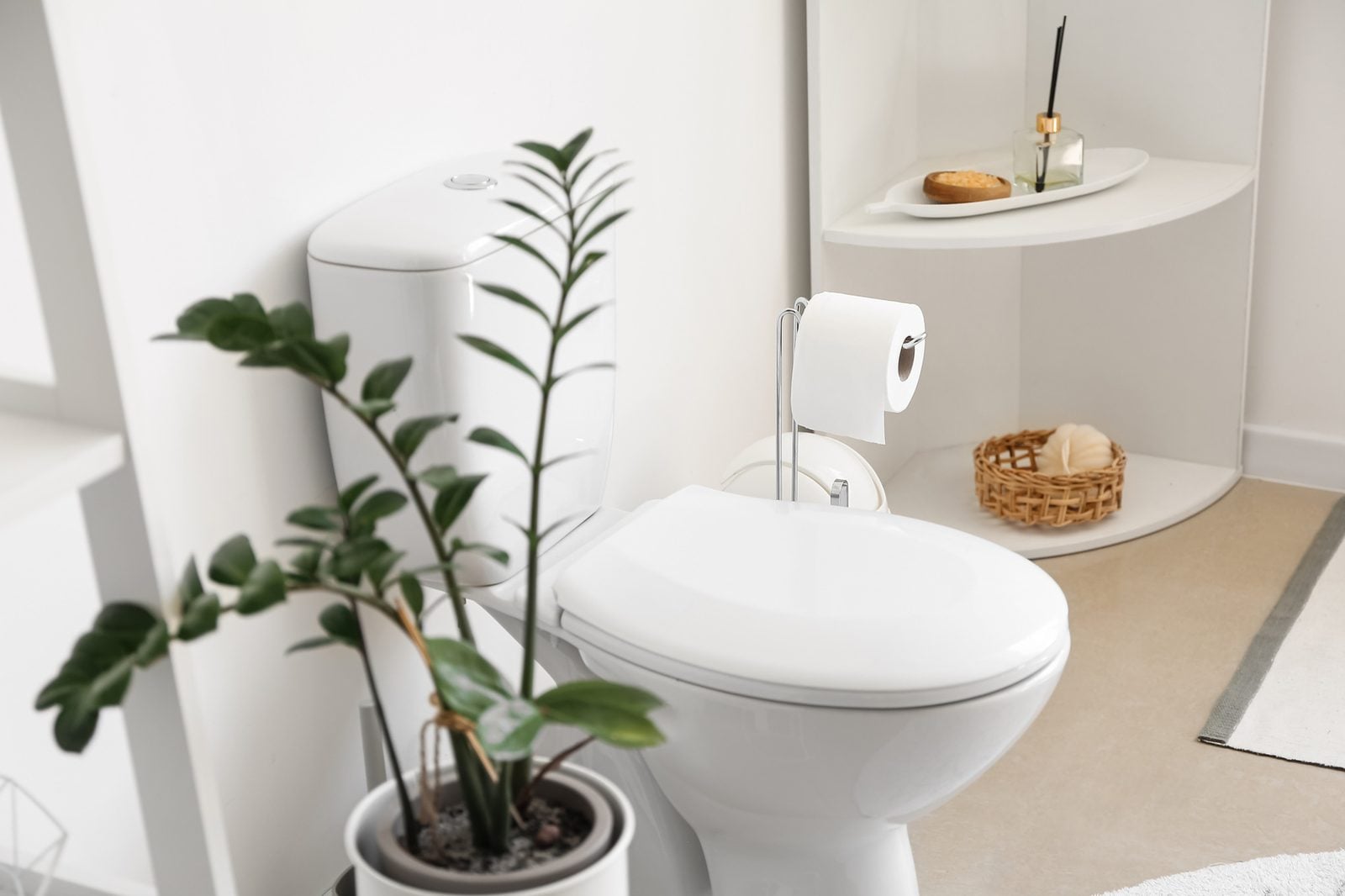
- Most toilet clogs are paper or waste caught in the curved trap built into the toilet itself.
- Dish soap plus hot tap water, plastic wrap over the bowl, or a wet/dry vacuum can clear many soft clogs without a plunger.
- Never use boiling water or chemical drain cleaner in a toilet; heat can crack porcelain and chemicals can splash back.
- Denver Water says that in most single-family homes the main shutoff valve is in the basement or crawl space, on a wall facing the street.
What to do first
- Stop flushing. A second flush is the most common way a clogged toilet overflows.
- If the bowl is filling toward the rim, turn the oval valve on the wall behind the toilet clockwise to shut off its water.
- If you cannot reach that valve, lift the tank lid and raise the float so the tank stops filling.
- If sewage is coming up into a tub, shower or floor drain, stop using all water in the house and call to be connected with a local plumber.
How to unclog a toilet without a plunger: what should you try first?
The first thing to try is dish soap and hot tap water. Soap helps paper and waste slide through the trap, and warm water softens the clog. This works on most soft clogs in a Denver bathroom and needs nothing you do not already own.
Work from gentle to hands-on: wait for a high bowl to drain down, then soap and hot water, then plastic wrap, then a wet/dry vacuum, then a toilet brush or wrapped hanger. If none of those work, stop. Forcing an object deeper or reaching for chemicals is how a simple clog becomes a cracked bowl or a burn.
Is the clog in the toilet or deeper in the line?
If only the toilet is slow and every sink, tub and shower drains normally, the clog is almost always in the toilet's own trap. If the toilet bubbles when you run the bathroom sink, or water rises in the tub when you flush, the blockage is probably farther down the drain line.
Signs that point to the toilet only:
- The bowl drains slowly, but other fixtures work.
- You know what went down: too much paper, a wipe, a small toy.
Signs that point deeper:
- More than one toilet or drain is slow at the same time.
- Water or sewage showing up in a tub, shower or basement floor drain.
- A sewer smell that was not there before.
No household trick will clear a main line clog. That is the point to call.
Does dish soap and hot water really unclog a toilet?
Yes, dish soap and hot water clear many soft toilet clogs, especially ones made of toilet paper and waste. It will not move a solid object like a toy, a phone or a hairbrush, and it will not help with a main line backup.
How to do it safely:
- If the bowl is near the rim, scoop some water into a bucket.
- Add a generous squirt of liquid dish soap and let it sink for several minutes.
- Pour in hot tap water, not boiling, from about waist height.
- Wait 15 to 20 minutes and check whether the level has dropped.
If it drains, flush once with the shutoff valve ready. Skip boiling water: sudden heat can crack the bowl or loosen the wax ring seal underneath.
Need help now? Call to be connected with a local provider in Denver who can check availability for your address.
Can baking soda and vinegar clear a clogged toilet?
Baking soda and vinegar can help loosen a mild clog, but it is not a strong fix. The fizz is mostly a surface reaction, so use it as a follow-up to soap and hot water rather than a first step.
If you want to try it, add about a cup of baking soda, then slowly pour in about two cups of vinegar. Let it sit for 20 to 30 minutes, then add hot tap water. Never use it on top of a chemical drain cleaner already in the bowl. If nothing changes after two rounds, move on.
How do you use plastic wrap or a wet/dry vacuum on a toilet?
Both methods use pressure instead of a plunger. Plastic wrap pushes the clog down with trapped air, while a wet/dry vacuum pulls it back up, which is the safer choice for an object you want out of the pipe.
Plastic wrap method:
- Dry the rim and stretch several tight layers of plastic wrap across the bowl.
- Flush once. The wrap will puff up.
- Press gently on the bubble a few times, then release.
Wet/dry vacuum method:
- Use only a vacuum rated for wet pickup.
- Scoop most of the water into a bucket.
- Put the hose in the drain hole, seal it with a towel, and let it pull briefly.
Disinfect the vacuum afterward.
Is a wire coat hanger or toilet brush safe to use?
A toilet brush or a straightened wire hanger can break up a clog you can reach near the drain hole, but both need a light touch. Bare metal scratches porcelain and leaves dark marks, so wrap the hanger end in a rag or tape first.
- Toilet brush: Work it gently in and out of the drain hole. Wear gloves.
- Wrapped hanger: Untwist it, wrap the hooked end, and feed it a few inches into the opening. Do not jam it.
If you feel something solid that will not move, stop. Pushing a hard object deeper can lodge it where it is much harder to reach.
What should you never put in a clogged toilet?
Never pour chemical drain cleaner, bleach mixed with other cleaners, or boiling water into a clogged toilet. Chemicals sit in the bowl when the toilet will not drain, and they can splash onto skin and eyes when anyone tries the next fix.
- Chemical drain openers: Many are made for sinks, and the reaction heat can stress porcelain.
- Boiling water: Sudden heat can crack the bowl.
- More flushing: Each flush adds water and raises the risk of overflow.
If someone already poured a chemical in, do not try soap, a vacuum or a hanger. Open a window and tell the provider exactly what product went in when you call.
When should you stop and call for help?
Call when the toilet overflows, when household methods fail, or when other drains react to the toilet. Those signs usually mean the clog is solid, deep or in the main sewer line.
- Water keeps rising toward the rim even with no flushing.
- A phone, toy or other hard object went down.
- Two or more toilets or drains are slow at once.
- Sewage shows up in a tub, shower or floor drain.
- Chemical drain cleaner is sitting in the bowl.
Call (303) 479-3295 to be connected with a local plumber who can look at the toilet and the drain line together.
What happens during the visit?
The provider starts with an inspection. They look at the toilet, ask what went down, and check whether other fixtures are affected. If the main line is suspected, they may use a camera to see inside the pipe.
Next, they explain your options in plain words. That could mean clearing the trap with a closet auger, lifting the toilet to remove an object, or clearing the main line. If the toilet is cracked or worn out, they explain repair versus replacement.
You get a written quote before any work begins, so you can decide what to do.
Toilet clogs in Denver, Aurora and nearby suburbs
Water around Denver is not the same at every address, and that matters for toilets. Denver Water says its southern collection system's water is considered moderately hard, its northern system's water is considered somewhat soft, and the water is slightly harder in winter. Aurora Water lists hardness at an average of 136 ppm, with a range of 87 to 198 ppm. Mineral scale can narrow the rim jets and siphon hole and weaken the flush, so homes in Aurora, Littleton or Centennial may see repeat clogs from a toilet that no longer flushes hard.
Know where to shut the water off. Denver Water says that in most single-family homes, the main water shutoff valve is in the basement or crawl space, on a wall facing the street. Use it if the toilet valve is stuck or broken.
Know who owns which pipes. Denver Water says property owners are responsible for the service lines and meter pits at their address, and that it is not responsible for water damage caused by a property's service line or internal plumbing. The Colorado Division of Insurance also names sewer backup coverage as additional coverage a homeowner may need to buy, so check your policy before a backup happens, not after.
Whether you are in Lakewood, Englewood or Arvada, Call (303) 479-3295 to be connected with a local plumber near you.
Related pages
Questions people ask
How do I unclog a toilet without a plunger if the water is almost at the rim?
Stop flushing and turn off the valve behind the toilet first. Then let the water drain down or scoop some into a bucket before you try dish soap, hot water or a wet/dry vacuum.
Will a toilet eventually unclog itself?
A soft clog made of toilet paper often loosens on its own after a few hours of soaking. A wipe, paper towel or solid object will not break down, so waiting will not help those.
Why can't I use boiling water to unclog a toilet?
Boiling water can crack the porcelain bowl and soften the wax seal under the toilet. Hot tap water or water that is steaming but not boiling is safer and works nearly as well.
Does baking soda and vinegar actually unclog a toilet?
It can loosen a mild clog, but it is not strong. Use it after soap and hot water, and never mix it with a chemical drain cleaner already in the bowl.
Is it safe to put Drano or another drain cleaner in a toilet?
It is not a good idea. Many drain openers are made for sinks, and if the toilet does not drain, the chemical sits in the bowl and can splash on anyone who tries the next fix.
How do I use plastic wrap to unclog a toilet?
Stretch several tight layers of plastic wrap over a dry bowl, flush once, and press gently on the bubble that forms. The trapped air pushes on the clog like a plunger.
What do I do if my kid flushed a toy down the toilet?
Stop flushing right away and do not push the toy deeper with a hanger. A wet/dry vacuum may pull it back out; if not, call so the toy can be removed from the trap or the toilet can be lifted.
Why does my toilet keep clogging every week?
Frequent clogs usually mean a weak flush, a partial blockage in the trap or a drain line problem. In Denver-area homes, mineral scale in the rim holes can also weaken the flush over time.
What if both toilets in my house are clogged at the same time?
Two clogged toilets at once almost always points to the main sewer line. Stop using water in the house and call to be connected with a local plumber.
Where is the water shutoff valve for a toilet?
It is usually an oval handle on the wall or floor behind the toilet, on the supply line. Turn it clockwise to stop water from refilling the tank.
Can hard water in Denver cause my toilet to clog?
Hard water does not cause the clog directly, but mineral scale can narrow the rim jets and siphon hole and weaken the flush. Denver Water says its southern system's water is moderately hard and its northern system's is somewhat soft.
Who pays to fix a clogged toilet in a Denver rental?
Usually the landlord handles plumbing, but the lease decides who pays when a tenant caused the clog. Tell your landlord in writing right away and do not let water sit on the floor.
Does homeowners insurance cover a toilet overflow in Colorado?
It depends on your policy and what caused the overflow. The Colorado Division of Insurance names sewer backup as additional coverage a homeowner may need to buy, so check your policy and take photos of any damage.
When should I stop trying to unclog a toilet without a plunger and call someone?
Call when the toilet overflows, when soap, hot water and a vacuum have not worked, or when other drains back up too. Those signs point to a solid object or a main line clog.
How do I find a plumber in Lakewood or Aurora to fix a clogged toilet?
Call (303) 479-3295 to be connected with a local plumber who serves Lakewood, Aurora and the rest of the Denver area. Describe what went down and whether other drains are slow.
Talk to someone about your plumbing problem
Call to be connected with a local provider who can check availability for your address and explain the next step.